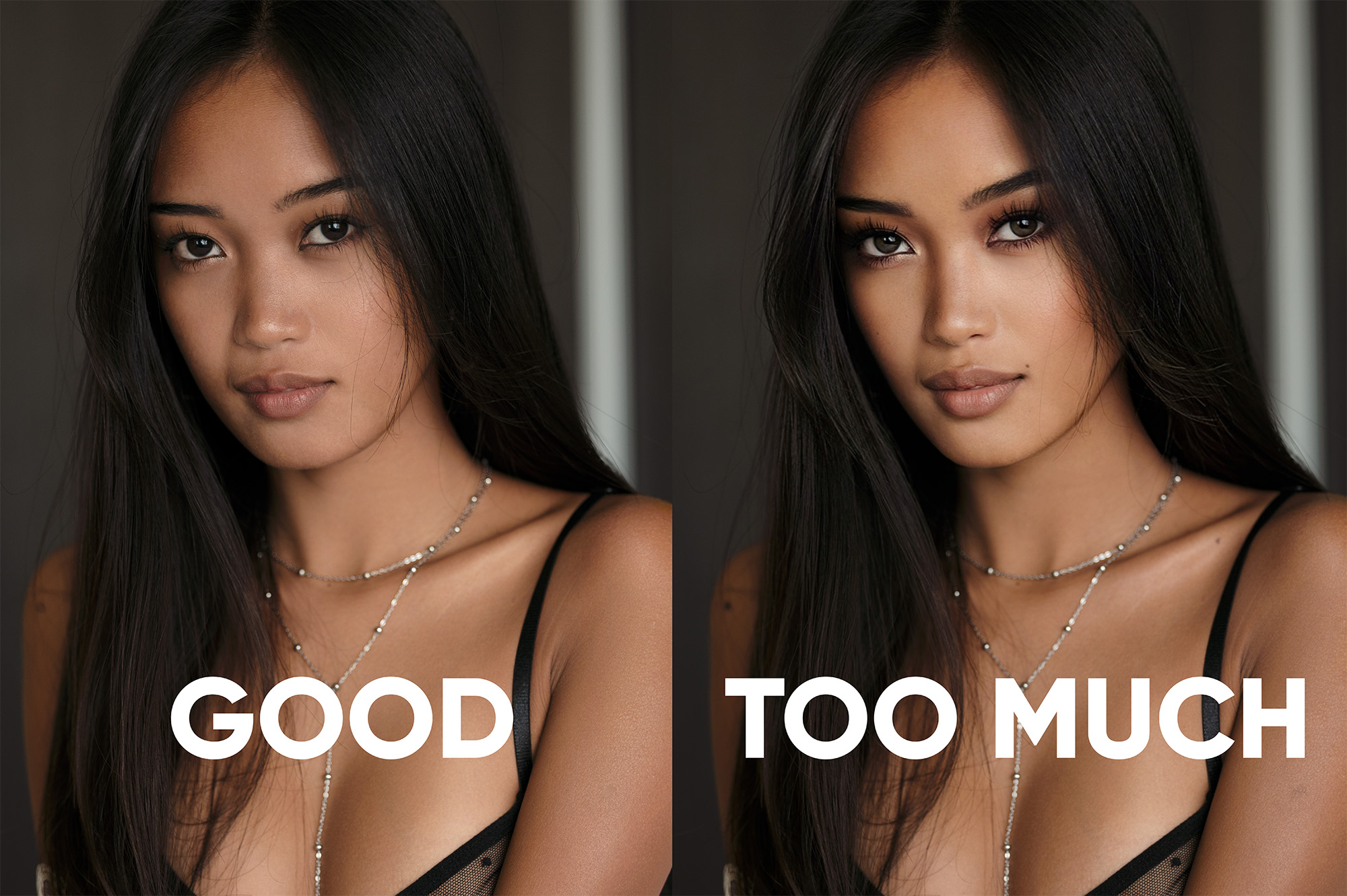
In the world of content creation, first impressions are everything—and today, they usually start with an image. Flawless skin, symmetrical features, and bright eyes matter. Many creators turn to apps like FaceApp, Facetune, and Photoshop. But despite the love for a beautiful aesthetic, one big question remains: Where does optimization end? And where does self-alienation begin?
For content creators, this balancing act is crucial. Focusing too much on digital perfection risks more than just an unrealistic image. You lose your authenticity—and with it, that vital connection to your users.
The allure of perfection – Why are filters so popular?
Few tools are as tempting as a filter that makes dark circles vanish in seconds or breathes new life into a tired photo. A little touch-up here, a hidden “flaw” there. Especially on social media, where every image is part of your brand, many creators want to shine with a flawless appearance. After all, you’re competing for attention—often against accounts that seemingly never have a bad day.
The desire for control over your digital self is understandable, but the era of being untouchable and maintaining doll-like perfection is over.
What are the benefits for creators?
No doubt: Tools like FaceApp or Lightroom can be incredibly helpful—if used consciously and in moderation. A cohesive feed, harmonious color palettes, or removing a distracting background element can significantly improve image quality and make it look more professional.
These steps highlight your own style without completely faking the image. They help make content visually appealing—which is essential for branding and collaborations. The key is this: Creative expression and your own personality should be the focus, not a digital beauty overhaul.
The downside: When filters become a mask
But what happens when minor corrections turn into a completely edited self-image? When wrinkles, pores, or even facial features are consistently blurred or altered, a gap quickly opens between reality and representation.
The problem: Authenticity suffers. Followers—especially younger audiences—are very good at sensing whether an image feels “real” or artificially generated. Studies clearly show that excessive editing can negatively impact a profile’s credibility. If you constantly deceive your audience, you risk losing their trust—and with it, engagement, reach, and in the worst case, significant revenue.
Authenticity as a success factor – The “Girl Next Door”
The good news: Authenticity is in demand—more than ever. In an age of high-gloss content and algorithmic optimization, many users crave real people. They don’t want perfect avatars. It’s the “Girl Next Door” creators who are seeing massive success and growing popularity.
Unedited moments, honest stories, and “real” faces create closeness—and that’s exactly what users want today. They build trust, a currency that is priceless in the social media age. If you win people over with naturalness, you don’t just build reach; you build a loyal community. There’s a reason body positivity is one of the biggest movements of our time.
Even Adobe—the company behind Photoshop—highlights this trend:
“Make sure the visual elements of your content feel authentic and aren’t over-edited. For example, images shouldn’t look too perfect or staged.”
Even details like visible equipment or behind-the-scenes footage can help make content feel more realistic.
Best examples – Success speaks for itself
Some creators understood early on that this authenticity and closeness to the audience are decisive factors for a profile’s success. Creators like Sallydinosaur or Miyaka Chan, pictured here, are leading by example. For both, it’s important not to fake it in their profession and to feel comfortable just as they are.

Tips & Tricks: How to get the best results
How do you combine aesthetics and authenticity? Here is how to find a healthy, long-term middle ground. A few tips:
- Set clear boundaries: Edit images to optimize light, colors, or framing—but not to change your face.
- Use filters purposefully: Color filters can give a feed structure—but they shouldn’t become a mask.
- Show your imperfections: A no-makeup photo or a story showing you as a real person can be relatable and build trust.
- Behind the scenes: Share glimpses of your daily life—it’s the unfiltered moments that make you approachable and human.
Our Verdict
Editing apps are handy tools—but they shouldn’t be the ultimate standard. As a content creator, your personality, with all its rough edges, is your greatest asset. And that’s exactly what gets lost when you hide behind filters and try to look perfect all the time.
The most important message we at FansyMe want to send you: “Be yourself and feel good just as you are!”