In the digital age, “content creator” and “influencer” are two terms that often get mixed up. Both groups play a vital role in the world of social media, but their approaches and goals differ significantly. In this article, we take a look at the differences between content creators and influencers, the reach they can achieve, and what that means for brands.
But let’s start with the basics. Both terms are often used interchangeably, but there are subtle differences that we want to highlight below.
The Role of the Content Creator
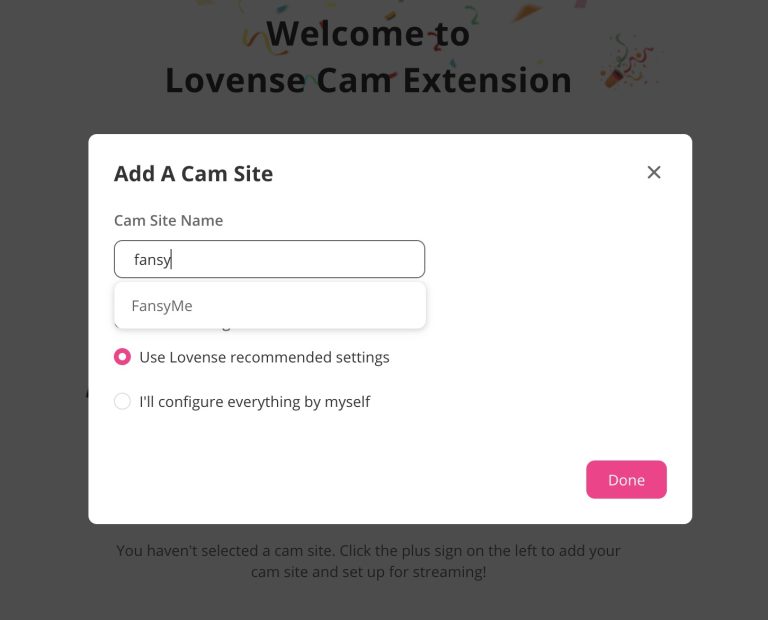
A content creator is basically someone who creates content. Sounds simple, but it isn’t always. It’s about more than just uploading a few photos. Creators produce video content, write blog articles, design graphics, or produce podcasts. They are versatile and cover a wide range of areas. For example, there are models who share their photoshoots and modeling jobs, fitness models who give insights into their workout routines and nutrition, video creators who produce entertaining or informative videos, and adult models who offer exclusive content on platforms like FansyMe. Each of these groups has its own specific target audience and type of content.
The Role of the Influencer
An influencer, on the other hand, already has a certain reach and uses it to influence others—hence the name. It’s often about promoting products or services. An influencer can certainly create content too, but the focus is more on using their personality and influence to spread messages. It’s about setting trends and influencing purchasing decisions. Many influencers monetize their reach through advertising and collaborations.
Similarities and Differences
So, where are the similarities and differences? Both content creators and influencers are at home in the digital world and use social media platforms to reach their target audiences. Both can earn money, but the way they do it can differ. The main difference lies in the intention. A creator focuses on the content itself, while an influencer uses their influence to achieve specific goals.
Imagine a content creator is like a chef who creates a delicious dish. The influencer is more like a restaurant owner who recommends the dish and makes sure many people try it.
To make it clear once more:
- Content Creator: Focus on content, creativity, value
- Influencer: Focus on influence, reach, marketing
- Both: Can work together to achieve goals
There are, of course, hybrid forms. Someone can be a great creator while also having a large reach and acting as an influencer. Or an influencer can create high-quality content to strengthen their credibility. The lines are blurred, but the basic principle remains: Content is king and influence is power.
Reach and Influence – Who Has More?
Okay, now it gets exciting! Who actually has the edge when it comes to reach and influence? Content creators or influencers? Let’s take a closer look.
Follower Counts in Comparison
Sure, follower counts are the first thing that catches the eye. But are lots of followers really everything? Not necessarily! An influencer with a massive following might reach a lot of people, but that doesn’t mean they are all actually interested in what he or she does. An authentic creator with a smaller but engaged community can often move the needle more. It all depends on what you make of it, right? A Statista survey from 2023 shows that Instagram is becoming increasingly important.
Analyzing Engagement Rates
Here’s the sticking point: engagement! What good are millions of followers if no one likes or comments on your posts? Exactly, nothing. Engagement rates—how many people actually interact with your content—are much more meaningful. A digital creator who delivers high-quality content and builds a real relationship with their community often has higher engagement rates than an influencer who just promotes products. Makes sense, doesn’t it?
The Power of the Niche
And then there’s the niche. An influencer who specializes in a very specific topic can wield huge power within that niche. Think of a gaming influencer worshipped by their community, or a beauty vlogger whose tips are trusted blindly. Those who have made a name for themselves in their niche can often keep up or even pull ahead.
In the end, it’s not just about the raw number of followers, but also about how engaged the community is and how well you’ve positioned yourself in your niche. Reach isn’t everything; influence is the be-all and end-all!
Content and Creativity – What’s Being Shown?
Types of Content
Creators are often the experts of variety. They write blog articles and podcasts that you can actually learn from, design infographics that make complex information easy to understand, and of course, produce videos—not just short clips, but also documentaries or tutorials.
Content creators are just as active in gaming as they are in beauty, food, or fashion. There are models who share their photoshoots and modeling jobs, fitness models who give insights into their training routines and nutrition, video content creators who create entertaining or informative videos, but also adult models with live streams that allow direct interaction using toys like the Lush by Lovense. Furthermore, there are live streams that enable real-time interaction, as well as creative formats that captivate the audience.
Influencers, on the other hand, often focus on visual content and short, punchy messages that immediately grab the viewers’ attention. Stories, posts, TikToks—anything that is quickly consumable and eye-catching is used by them to spread their messages effectively. These formats are ideal for staying relevant in the fast-paced world of social media and reaching a broad target audience. Of course, this isn’t set in stone either. There are variations here too, and the boundaries sometimes blur.
Creativity in Content Creation
Creativity is the be-all and end-all, obviously. But what does that mean in practice? For content creators, it often means developing new formats, experimenting with different styles, and trying something crazy once in a while. It’s about thinking marketing differently and not just doing what everyone else is doing.
Creativity isn’t just a nice extra; it’s the fuel that keeps the whole machine running. Without new ideas and fresh approaches, things get boring fast.
Authenticity and Credibility
Authenticity is the keyword! People quickly notice when someone isn’t real. Influencers have to be credible, otherwise the message they want to convey falls flat. That means:
- Representing honest opinions
- Not promoting every piece of junk
- Staying true to yourself
Content creators might have it a bit easier because they are often less in the spotlight and can focus more on their content. But the same rule applies: If you lie, you’re out!
Target Audiences and Community – Who Reaches Whom?
Target Audience Analysis for Creators
Okay, let’s talk about target audiences. For creators, it’s super important to know who is actually consuming their content. Who are these people? What do they like? What are they looking for? It’s about having a clear picture of your own community. This helps immensely in creating content that truly resonates.
- Age
- Interests
- Online behavior
Community Building for Influencers
Influencers are masters of community building. It’s not just about collecting followers, but about building a real relationship with them. They interact, answer questions, and create a sense of belonging. This is the key to gaining a loyal fan base. And hey, if you have a strong community, it’s also easier to sell products or ideas. Some influencers even use platforms like FansyMe to get even closer to their fans.
A strong community is worth its weight in gold. It drives engagement, loyalty, and helps you achieve your goals.
Interaction and Engagement
Interaction is the be-all and end-all! Whether it’s comments, likes, or shares—every interaction counts. The more interaction, the better. Creators and influencers must actively interact with their community to keep engagement high. Ask questions, start discussions, and show that you value your followers’ opinions. That’s the only way to build a vibrant and active community.
Marketing Strategies – How Do Brands Use Both?
Working with Content Creators
Brands often invite creators in as early as the idea phase. Instead of rigid briefings, there are open slots for their own ideas. This makes the content more personal and keeps it close to the creator’s style:
- Joint brainstorming sessions to spin storylines
- Co-production on set so the creator can do their thing
- Long-term collaborations to build a real relationship with the target audience
Without creative freedom for the creator, a campaign quickly feels forced.
When brands and creators sit down together early on, the spark is much more likely to catch.
Influencer Marketing Strategies
Many companies split their budget depending on the goal and reach:
| Influencer Type | Post Price (approx.) | Engagement Rate |
|---|---|---|
| Micro (5–10k) | €50–200 | 5–8% |
| Mid-Tier (50k) | €500–2,000 | 3–5% |
| Mega (>100k) | from €5,000 | 1–3% |
This way you can
- use micro-influencers for recommendations and honest feedback,
- mid-tier for solid reach, and
- mega-influencers to push major campaigns.
Campaign Examples
Here are three models for mixing both worlds while maintaining authenticity:
- A sneaker brand has a creator film unusual test settings, while influencers share exclusive discount codes.
- A beauty brand starts a product challenge: micro-influencers guess ingredients, creators produce the behind-the-scenes video.
- An outdoor startup takes a creator on a tour, and afterwards, a well-known influencer talks about their favorite everyday experiences.
Future Outlook – Where Is the Journey Heading?
The digital world is spinning faster and faster, and what’s hot today can be old news tomorrow. What does that mean for digital creators and influencers? Let’s take a look into the crystal ball.
Trends in Content Creation
Content creation is subject to constant change. We are seeing more and more short videos, podcasts, and interactive content. People don’t just want to consume; they want to participate. Personalization is also becoming increasingly important. Everyone wants content tailored exactly to their interests. And don’t forget AI—it’s already helping us create and optimize content. Who knows what’s next?
The Role of Social Media
Social media is and remains the be-all and end-all. But there are changes here too. New platforms come and go, algorithms change constantly. It’s important to stay flexible and keep adapting. TikTok, Instagram, YouTube—each platform has its own rules and its own target audience. To be successful here, you have to understand that.
Influence of AI and Technology
AI is here to stay. It helps us with brainstorming, content creation, and analysis. But beware: while AI can support us, it cannot (yet) replace us. Creativity and authenticity are still in demand. It’s about using AI as a tool to create even better content.
The future belongs to those who can adapt. Those who are open to new things and willing to constantly evolve have a good chance of being successful in the future too.
Here are a few points that will become important in the future:
- Even more personalized content
- Stronger community bonding
- Use of AI for content optimization
Success Factors – What Makes a Creator or Influencer Successful?
Sure, reach is important, but what makes someone truly successful in the world of content creators and influencers? It’s about more than just follower counts. Let’s dive in!
Consistency and Quality
Consistency is the be-all and end-all. If you only post once in a blue moon, you’ll be forgotten quickly. But beware: quality over quantity! Better to have less but really good content that offers real value. Remember, your viewers want to be entertained, informed, or inspired. Here are a few points you should keep in mind:
- Regular upload schedule
- High-quality content (image, sound, text)
- Varied topics
Building a Personal Brand
You are your own product! What makes you unique? Find your niche and develop a clear, recognizable brand. It could be your humor, your expertise, or simply your personality. People follow you because they like you—so show yourself! A strong brand voice is crucial.
Networking and Collaborations
The digital world is big, but you don’t have to do everything alone. Find other creators and influencers to work with. This brings not only new ideas but also a larger audience. Think of win-win situations where both sides benefit. And don’t forget: networking is important offline too!
It’s important to stay authentic and not bend over backwards just to please others. Real relationships with your audience and other creators are worth their weight in gold.
How you increase influencer engagement depends heavily on your ability to build and maintain a community. And if you want to know the best way to do it, just start and learn from your mistakes!
Conclusion: Who Has the Edge?
At the end of the day, it depends on what you’re looking for. Content creators and influencers both have their place in the digital jungle. If you’re looking for deep content that really tells a story, then creators are exactly right for you. They stand out through their creativity, their ability to build an engaged community, and their often larger reach. Platforms like FansyMe support creators in reaching and monetizing their community directly without being dependent on traditional advertising methods. In comparison, influencers are the better choice if you just want to reach a lot of people quickly and promote products.
Ultimately, it depends on your goals. No matter who you choose, it’s important that the collaboration remains authentic and fits your brand. So, think about what works best for you and just go for it!
Frequently Asked Questions
What is the difference between content creators and influencers?
Content creators create content like videos and texts, while influencers influence their followers and promote products.
Who has more followers?
Influencers often have more followers because they focus on influencing purchasing decisions.
How important are engagement rates?
Engagement rates are important because they show how actively followers interact with the content.
What are the best types of content for social media?
Popular content includes videos, images, and stories that engage and entertain the audience.
How do influencers build their community?
Influencers interact regularly with their followers, share personal stories, and encourage exchange.
What trends are there in content creation?
Current trends include the use of short videos, live streaming, and the integration of interactive elements.