A photo is taken in a matter of seconds. At least, that’s how it sometimes looks from the outside.
What fans don’t see is the idea behind it, the styling, the location, the lighting, the editing, and the time that goes into a photoshoot. Even less visible is a creator’s decision about which part of themselves they want to show publicly or exclusively at all.
For JaneMeow, this very decision is part of the work.
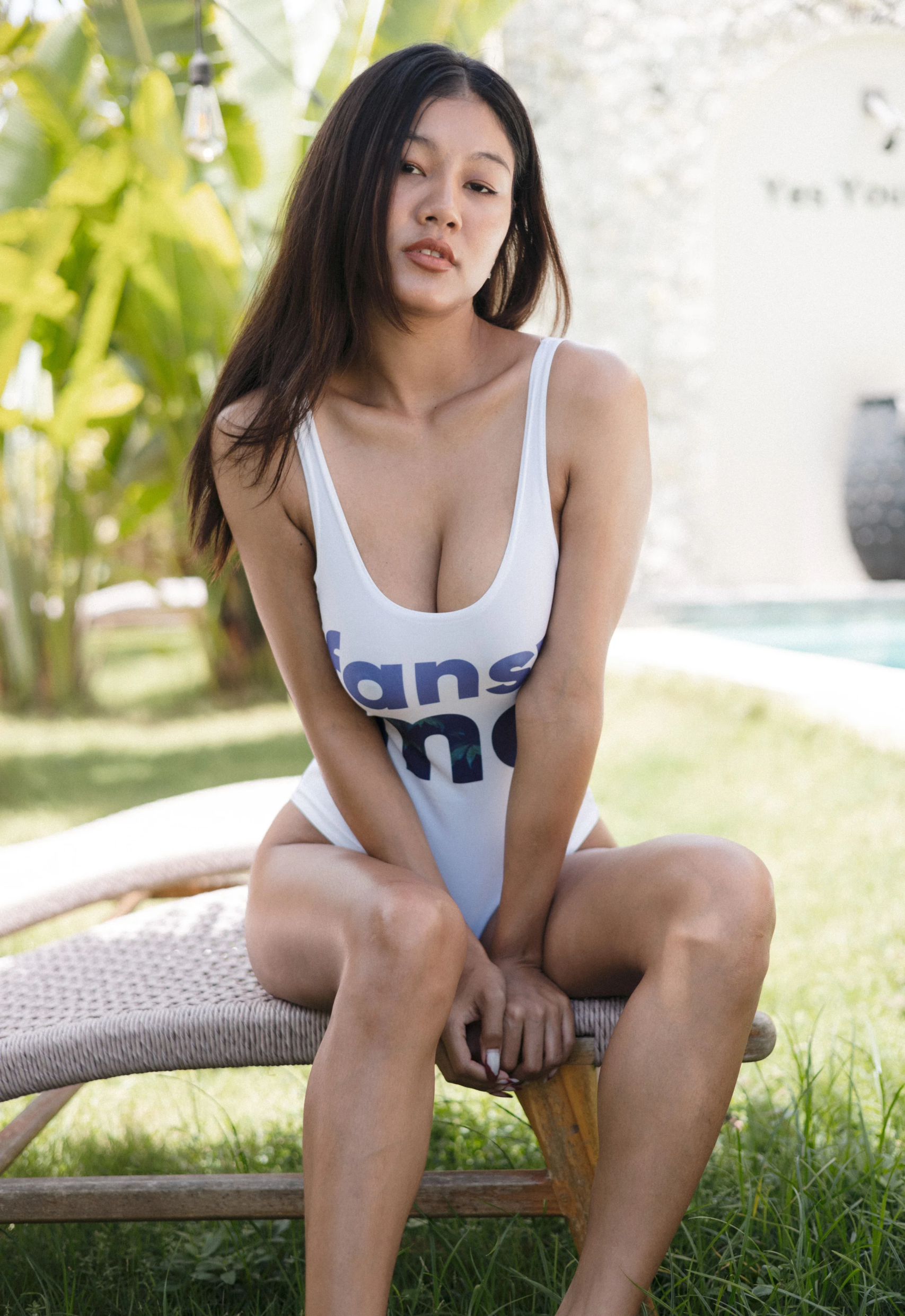
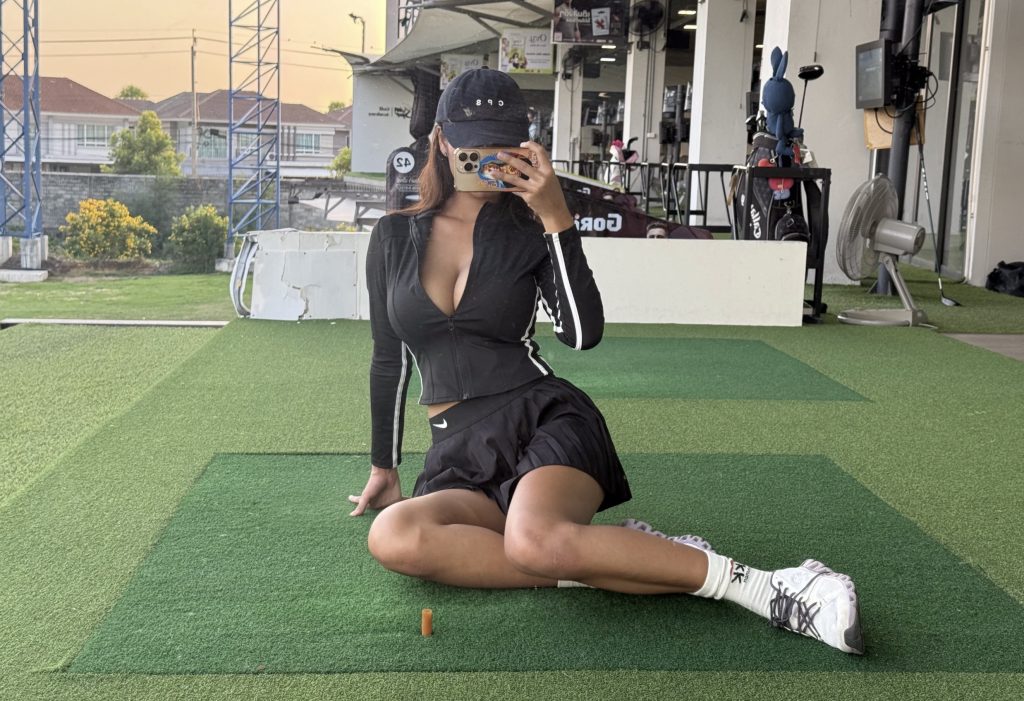
The creator from Bangkok combines sensual photography with her passion for manga, cosplay, fashion, and art on FansyMe. Her journey in front of the camera began with her own photos on Instagram before photographers noticed her. She has since built an international community and publishes hundreds of media for her fans on FansyMe.
She draws a strikingly clear line: her profile promises exclusive FansyMe content and explicitly states that she does not offer sex videos.
Precisely these two statements say a lot about modern content creation. Because eroticism does not mean boundlessness. And buying an image does not mean that this image suddenly belongs to everyone.
What exactly are leaks?
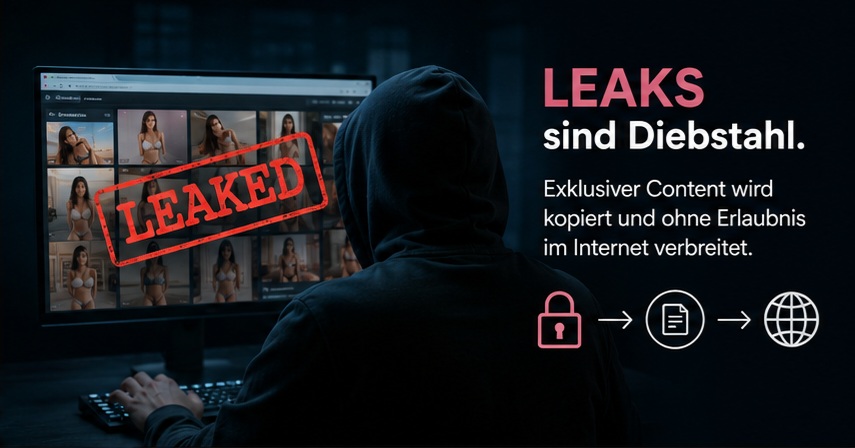
In the context of creator platforms, a leak refers to the unauthorized disclosure or publication of content originally intended only for a specific group of users.
This can be a photo from a paid subscription, an exclusive video, or content that a fan bought directly from a creator. Instead of remaining with the buyer, the material is saved, copied, and then distributed in forums, on file-sharing sites, social networks, or other platforms.
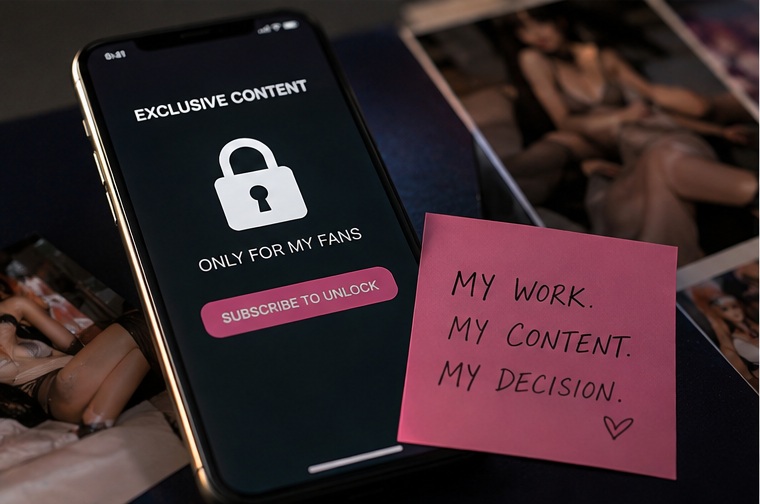
“Exclusive for my fans” suddenly becomes “available to everyone on the internet.”
Technically, copying is easier than ever today. Legally and morally, however, this does not make it legitimate.
The reality of this problem can be seen in the structure of the internet: for well-known creator names, forum threads regularly emerge where exclusive content is specifically requested and exchanged. Whether the material claimed there actually originates from the respective creator is often not even certain – but it shows how quickly a well-known name can become part of a leak and exchange economy.
Buying access is not the same as acquiring rights
Anyone who pays for digital content generally acquires access or the right to personal use – not the copyright and not the right to then publish this content themselves.
This is the fallacy behind most leaks. A purchased image is not an acquired work. It is access tied to one person.
For creators, this distinction is crucial. Their content is not just a collection of files, but the product of their work.

“I decide what I show of myself” – JaneMeow’s stance
For Jane, deciding which images are created and where they appear is part of the job. She enjoys photography, cosplay, and creative shoots, and she can be playful, sexy, or revealing. However, this decision does not mean that every boundary automatically disappears for her.
Therefore, on her profile, she makes it clear what kind of content her fans can expect – and also what they won’t get from her. This very definition should be respected.
If someone buys her exclusive content, for her, it’s support: the fan gains access to something deliberately created for this community. If the same material is then downloaded and redistributed, someone else suddenly decides where her images appear.
This is the part most often overlooked in discussions about leaks. It’s not just about whether one less subscription is sold. It’s about control over where one’s own images end up.
“Nothing is private anyway” is a fallacy
A creator can produce very revealing content and still have clear boundaries. She can show nudity and refuse personal meetings. She can sell erotic photos and fundamentally exclude certain types of videos. And she can stipulate that certain recordings appear exclusively behind a paywall.
A leak takes away part of this decision from her. She no longer determines which platform a photo appears on. She no longer decides who gets access. And she is no longer the sole economic beneficiary of her work.
Therefore, there is a significant difference between voluntarily published and redistributed against the creator’s will.
The Legal Side: DMCA, DSA, and German Law
Internationally, the most well-known is the US Digital Millennium Copyright Act (DMCA). It includes a so-called notice-and-takedown procedure: rights holders can inform services that copyrighted material has been published without permission and demand its removal.
Such a notification must be sufficiently precise. It identifies the protected work and the specific infringing content – usually via the exact URL – and includes the rights holder’s declaration that, in their opinion, the use is unauthorized. The procedure is therefore not a general instrument against undesirable content, but specifically intended for copyright infringements. The uploader can, by the way, object to a removal (Counter Notice); in this case, the content may go back online.
However, for creators in German-speaking countries, the DMCA is not the only, and often not the most important, tool. Particularly relevant here are:
- The Digital Services Act (DSA): It obliges hosting services in the EU to implement reporting and redress procedures for illegal content. Many platforms offer their own reporting forms for this.
- The Copyright Act (§ 97 UrhG): Claims for injunction and damages against anyone who unlawfully makes works publicly accessible.
- The Right to One’s Own Image (§ 22 KunstUrhG): Images may generally only be distributed with the consent of the person depicted. For creators, this is often the more direct lever – it applies regardless of who technically took the photo.
This last point deserves attention, as it touches on a question many creators underestimate: Who is actually the author? If a photographer photographs the creator, the copyright to the image initially lies with them, not with her. Whether she herself can take action against copies then depends on what usage and enforcement rights have been granted to her. Anyone who regularly works with photographers should clarify this contractually before the first leak appears – otherwise, she is not unprotected regarding the right to her own image, but the process becomes more cumbersome.
And all these procedures share a disadvantage: They react after something has happened. The removal of one copy does not prevent others from having already been created. Monitoring and repeated takedowns thus become an ongoing task.
What risks does an uploader actually take?
This point is rarely discussed, although it is the most practically significant: anyone who redistributes leaked content is not operating in a legal vacuum.
Making protected works of others publicly accessible without permission can trigger civil claims – injunction, information, damages, and the costs of legal prosecution. In Germany, the warning letter is the usual instrument for this, and the costs are ultimately borne by the uploader.
In addition, there is the right to one’s own image: the unauthorized distribution of images can even be punishable under § 33 KunstUrhG.
Anonymity offers less protection than many assume. Payment data, account links, and technical markings within the material itself can allow conclusions about the source.
Content Protection Must Start Earlier
Effective leak protection therefore doesn’t begin with a takedown.
FansyMe states that it uses several technical measures, including time-limited signed URLs, protection mechanisms against automated scraping, and cryptographic markers in images. These invisible digital identifiers can help trace the origin of leaked material. Additionally, the platform recommends visible watermarks and two-factor authentication.
Furthermore, FansyMe collaborates with Leak.Red. Creators can activate the service via their privacy settings. According to FansyMe, the system includes continuous leak detection as well as automated takedowns and delistings on various platforms and networks.
However, no technical system can provide a 100% guarantee – FansyMe itself explicitly points this out. This is an important point, as it describes the actual situation more honestly than any promise of protection.
Effective leak protection therefore consists of several layers: technical barriers, detection, tracing, consistent removal – and a community that understands that exclusive content is not intended for free redistribution.
Specifically for Creators: Activate Leak.Red in privacy settings, enable two-factor authentication, use watermarks, and clarify usage rights with photographers in writing.
Specifically for Fans: If you discover leaked content, you can report it directly to the creator or through the platform’s support. A tip costs nothing – and is often faster than any automated detection.
Fans are part of the solution
Especially for a creator like JaneMeow, a profile doesn’t live exclusively from photos.
Jane has previously emphasized that direct and open contact with her fans is important to her. She wants to actively involve her community and offer them a more personal experience.
This creates something between creator and fan that doesn’t exist on anonymous leak sites: a relationship between the person who produces content and the person who consciously supports it.
Anyone who exclusively searches for a leak might get a file. But they get neither the interaction nor the connection to the creator – and, above all, they don’t support the person because of whom this content exists at all.
Exclusivity is also a form of respect
JaneMeow shows how diverse modern erotic content creation can be. She is a model, creative content creator, manga and cosplay fan, and a woman who self-determines which aspects of herself she shares with her community.
Her work can be erotic without being boundless. Personal, without becoming public property.
Precisely for this reason, leaks are more than an economic problem. They ignore the decision of the person behind the content.
The crucial question at the end is therefore not: “Can I find this image somewhere for free?”
But: “Do I respect the person who created it?”
Anyone who wants to support JaneMeow and experience her content as intended can find her exclusive content directly on JaneMeow’s FansyMe profile.
Because exclusive should also mean exclusive.